
Deadbolt Won't Latch After Moving Into a New House? Here's Why
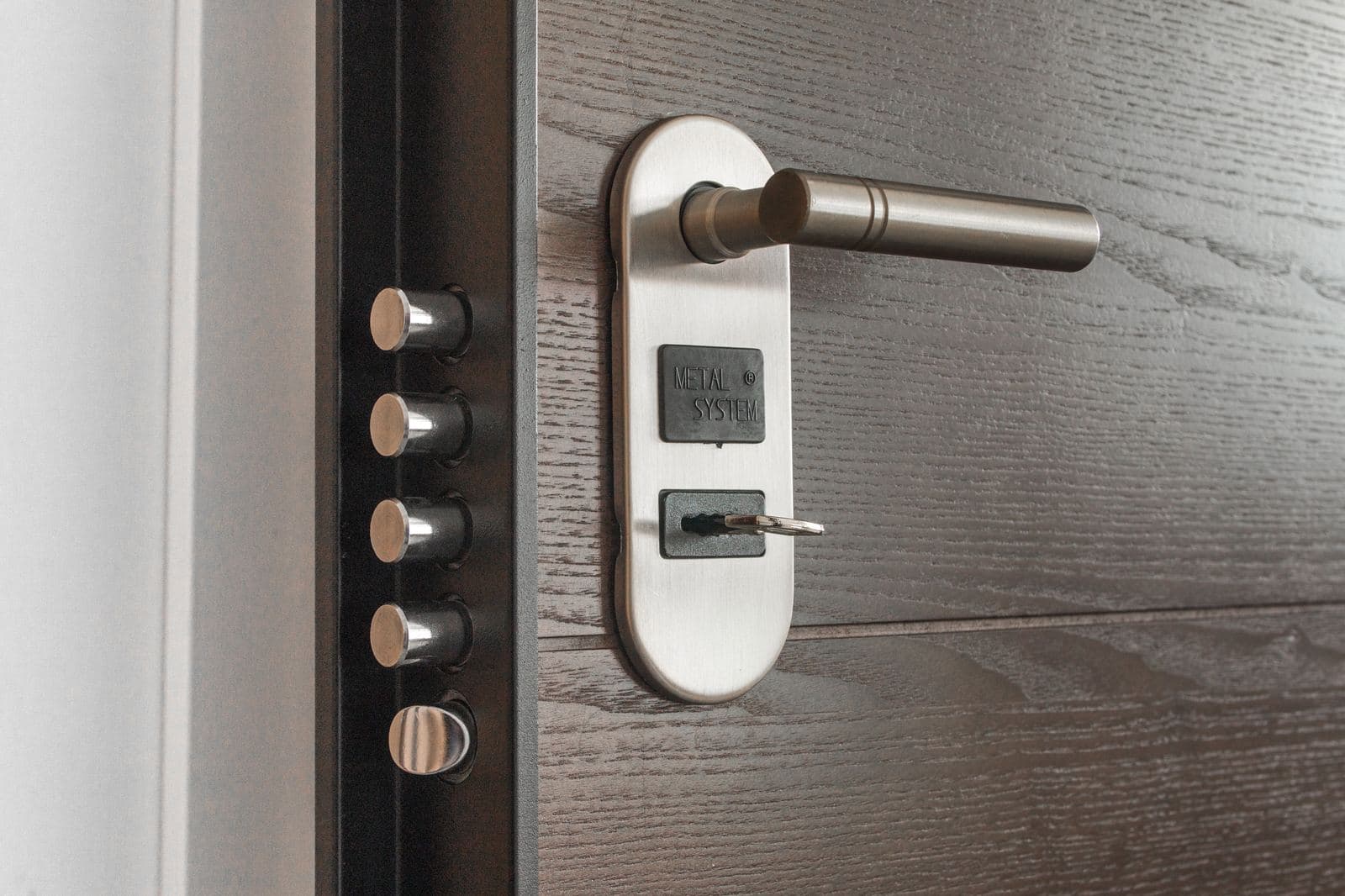
TL;DR: If the deadbolt is hard to throw or won't catch in a new house, the lock probably isn't broken. The strike plate or door hinges have shifted out of alignment. That's a repair issue, not a rekey issue.
You just moved in, you go to lock the front door for the night, and the deadbolt either won't turn all the way or the bolt won't slide into the frame. Your first instinct is probably to call about rekeying, since that's the move-in service everyone talks about. But rekeying and a sticky deadbolt are two completely different problems, and mixing them up means you pay for a service that won't fix anything.
Why won't my deadbolt latch in my new house?
In most cases, the deadbolt itself is fine. The bolt and the strike plate hole in the door frame are no longer lined up, so the bolt hits wood instead of sliding into the opening. This happens from house settling, seasonal wood swelling, or hinge screws that have loosened over time.
A new-to-you house doesn't necessarily mean a new problem. It often means you've inherited an issue the previous owner had already learned to work around, like lifting the door slightly or pushing harder to get the bolt to catch. If it's bothering you enough to look up an answer, it likely bothered them too.
Rekey or repair: which one actually fixes this?
Rekeying changes the pins inside the lock cylinder so old keys stop working. It has nothing to do with the strike plate, the hinges, or whether the bolt physically reaches the door frame. If your deadbolt won't latch, rekeying will not fix it, and a locksmith who only rekeys the lock without addressing alignment has left the actual problem untouched.
Repair means adjusting the hardware so the bolt and the strike plate line up again: shifting the strike plate, deepening the mortise pocket, or tightening and re-seating the hinges. That's the fix for a deadbolt that binds, sticks, or won't fully extend. It's a common enough mix-up that it's worth checking which one you actually need before you call anyone — asking for a rekey when the real problem is alignment is one of the more frequent points of confusion we run into on move-in calls.
- Deadbolt is stiff, hard to turn, or won't fully extend → alignment/repair issue
- Bolt extends fine but keys from before your move-in still work → rekey issue
- Door needs to be lifted, pushed, or slammed to lock → alignment/repair issue
- You just don't know who else has a key → rekey issue
How do you diagnose the exact cause at home?
Locksmiths use a simple transfer-mark test to pinpoint the misalignment before touching a screwdriver. Coat the edge of the extended bolt with lipstick or a dry-erase marker, close the door, and throw the bolt against the strike plate to leave a mark. Where that mark lands tells you exactly which hinge needs adjusting.
Reading the transfer mark
A mark that lands high on the strike plate means the door has dropped, so the bottom hinge screws need tightening or the hinge needs shimming. A mark that lands low means the top hinge has loosened and the door has drifted upward. If the mark is centered but the bolt still won't seat, the strike plate itself needs to be shifted sideways, or the mortise pocket behind it needs to be deepened slightly.
Can I fix a misaligned strike plate myself?
Tightening loose hinge screws is a reasonable DIY step and takes five minutes with a screwdriver. If that alone doesn't solve it, though, you're into filing the strike plate opening or deepening the mortise pocket with a chisel, and that's easy to get wrong on a door you don't want to damage.
If longer screws in the hinges and a few turns of every screw in the strike plate don't fix the latch, stop there. Filing metal or cutting wood at the wrong angle usually makes the gap worse, and then you're paying to fix both the original problem and the DIY attempt on top of it. Repositioning the plate rather than just filing the opening is often the more reliable fix once tightening hinges alone hasn't worked.
What does a professional lock repair visit involve?
A repair visit starts with the same transfer-mark diagnosis, then moves straight to the fix: adjusting or shimming hinges, repositioning the strike plate, or deepening the mortise pocket so the bolt seats cleanly without force. The lock hardware itself usually doesn't need to be touched at all.
We don't have a single published flat rate for lock repair since every misalignment is a little different — a loose hinge is a five-minute fix, a mortise that needs re-cutting takes longer. We quote the repair once we've seen the door and diagnosed the actual cause, before any work starts.
Do I still need to rekey a new house's locks?
Yes, separately from any latch repair. Rekeying and fixing a stuck deadbolt solve two unrelated problems, and a new house often needs both. If the deadbolt on your new home doesn't latch cleanly, get that adjusted. Regardless of whether it latches fine, you should still rekey, since you have no way of knowing who else holds a working key from the previous owner.
Our move-in rekey runs $35 to $55 per cylinder and swaps the internal pins so every old key stops working, without touching the hardware or the door itself. If you need both a rekey and a strike plate adjustment, we can typically handle both in the same visit.
About Locksmith Enforcement
Locksmith Enforcement is bonded and insured, serving Ocala, Belleview, Summerfield, The Villages, Lady Lake, Wildwood, and surrounding Marion and Sumter County communities. We diagnose before we quote, and we quote before we touch your door.
Related pages
Frequently asked questions
Will rekeying fix a deadbolt that won't latch?+
No. Rekeying only changes the internal pins so old keys stop working. It doesn't touch the strike plate, hinges, or bolt alignment, so it won't fix a deadbolt that won't catch.
Why did my deadbolt suddenly stop latching after I moved in?+
It's usually not sudden. House settling, seasonal wood movement, or loose hinges gradually shift the door out of alignment with the strike plate. You're just noticing it for the first time as the new occupant.
How can I tell if it's a hinge problem or a strike plate problem?+
Coat the bolt edge with lipstick or a dry-erase marker, close the door, and throw the bolt. A high mark points to the bottom hinge, a low mark points to the top hinge, and a centered mark that still won't seat means the strike plate needs to move.
How much does it cost to fix a deadbolt that won't latch?+
It depends on the cause. A loose hinge is a quick adjustment, while a strike plate that needs repositioning or a mortise that needs deepening takes longer. We diagnose the door on-site and quote before any work starts.
Do I need both a rekey and a repair when I move in?+
Often, yes. Rekeying and latch alignment solve different problems. A new home may need the locks rekeyed for security and the strike plate adjusted for function. Both can usually be done in one visit.
If adjustment doesn't solve it, we handle strike plate and mortise repairs on-site.