
How Many Spare Keys Should a Household Actually Have? (Inverness, FL)
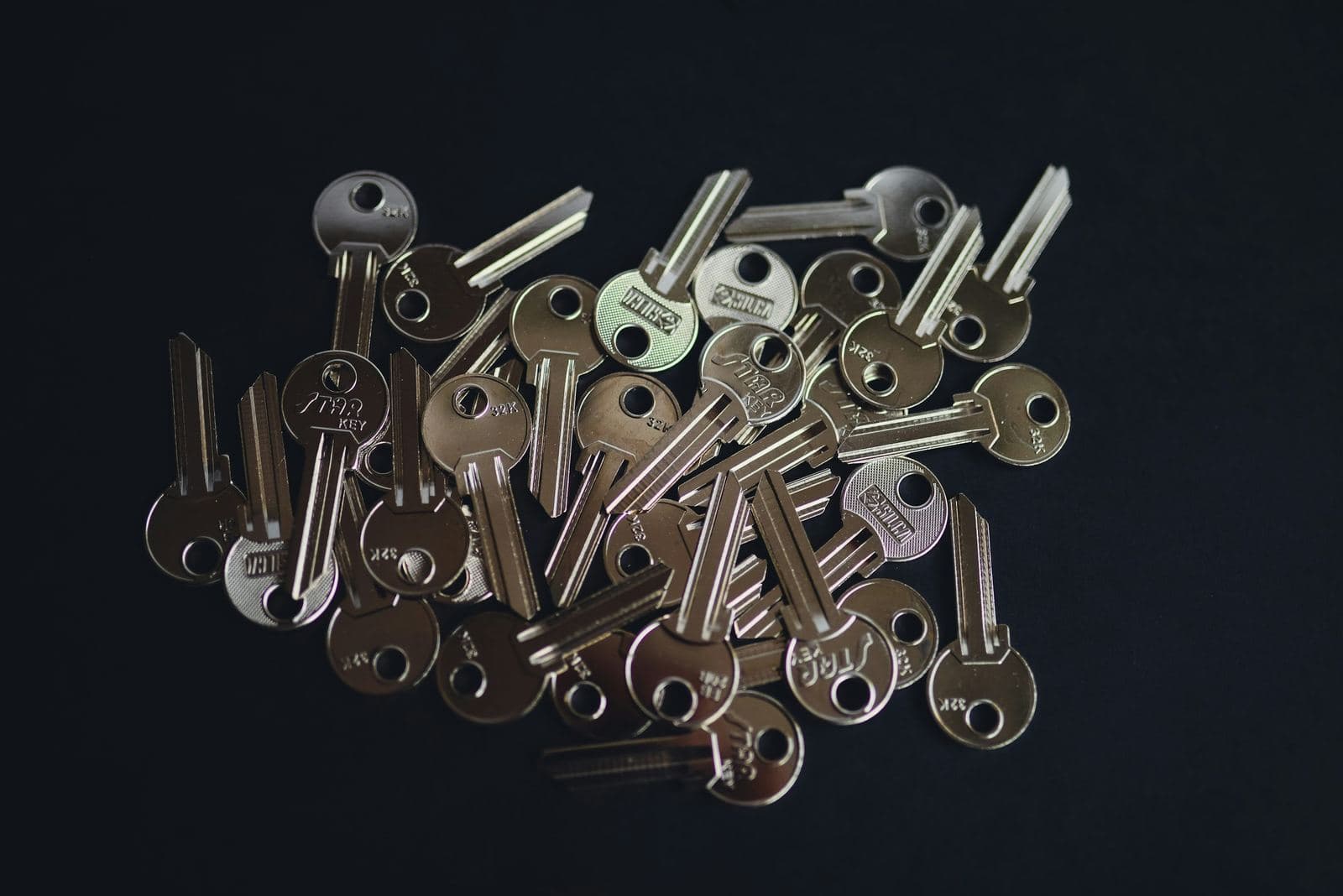
There's no rulebook that sets the right number of spare house keys. But across years of cutting keys for homes throughout Inverness and the rest of Marion and Citrus County, a pattern holds up: most households function best with two to four spares, placed with intention rather than handed out on autopilot.
The bigger issue usually isn't the count. It's that spare keys pile up over years, nobody remembers who has one, and a 'do not duplicate' stamp gets treated like a lock, when it isn't one. This guide covers how many keys makes sense, where to keep them, and what actually stops unauthorized copies.
TL;DR: Two to four spare keys covers most households, one per adult resident plus one trusted backup. 'Do Not Duplicate' stamps have no legal weight in most states; ALOA itself calls the marking potentially deceptive because it creates a false sense of security. Restricted key systems, not stamps, are what actually control copying. Standard house key copies run $5–$12 at Locksmith Enforcement; a key cut from a lock with no original runs $45–$85.
How many spare keys does a household actually need?
Two to four spare keys covers the vast majority of Inverness households comfortably: one per adult who lives there, plus one backup kept outside the home. Fewer than that and you risk a lockout with no fallback. More than that, and you likely can't account for where they all are.
Think of it as three categories, not a single number. First, working keys for every adult resident who needs regular access. Second, one true backup, kept somewhere accessible in an emergency, a trusted neighbor, not a flowerpot. Third, situational keys: a housesitter, a cleaning service, a family member who checks on the house during hurricane season. That third category is where key counts quietly balloon, and it's worth reviewing once a year.
The more useful question usually isn't how many keys exist, it's whether you can name who currently holds each one. Most households can list two or three names without much thought. Past that, people usually start guessing, and that's the actual gap worth closing, not the raw count.
Does a 'Do Not Duplicate' stamp actually stop someone from copying your key?
No. A 'Do Not Duplicate' stamp carries no legal enforcement in most of the United States and functions only as a courtesy request to locksmiths and hardware stores. The Associated Locksmiths of America (ALOA) states that orders for keys stamped this way are handled the same as any unrestricted key.
That's a genuinely surprising fact for most homeowners, and it's worth sitting with. ALOA has gone further, calling the stamp potentially deceptive because it gives property owners a false sense of security about something that isn't actually locked down. Nothing about the metal stamp itself prevents a blank of the same profile from being cut on any standard key machine.
So why does the stamp exist at all? It's a deterrent aimed at honest actors, not a technical barrier. A responsible locksmith will pause and ask questions when they see it. A key-cutting kiosk at a hardware store usually won't. That gap between should ask and physically can't is the whole story.
What actually prevents unauthorized key duplication?
Restricted or patented key systems are what actually control duplication, not stamps. With a restricted system, the key blank itself is patent-protected and only distributed to authorized locksmiths, so nobody can walk into a hardware store and cut a copy even if they wanted to.
The mechanism is different from a standard key. A regular house key uses a blank that any locksmith or kiosk can buy in bulk. A restricted key uses a blank that's legally controlled by the manufacturer and only released to authorized dealers, who then verify identity or ownership documentation before cutting a copy. The security lives in the supply chain, not in a warning printed on the metal.
For most Inverness homes, a full restricted system is overkill. It's more common for rental properties, HOAs with shared amenities, and businesses that need to control who holds keys over time. If you're a landlord managing several units, this is worth a conversation. For a single-family home, better key discipline usually solves the same problem for a lot less money.
Where should spare keys actually be stored?
The safest place for a spare key is with a person, not a hiding spot. Fake rocks, above the door frame, and under the mat are the first places anyone checks, including people who've watched the same home for a while. A neighbor, family member, or lockbox with a rotating code beats every hidden-object trick.
- Give one spare to a neighbor or family member you'd trust with your house alarm code
- Use a combination lockbox mounted to the house if you need on-demand access for guests or contractors
- Avoid magnetic key holders on vehicles — they're checked almost as often as fake rocks
- Label spares by location, not by address, if you keep any at a second property or in a car
- Do a yearly count: gather what you can, and rekey if you can't account for the rest
That last point matters more than people expect. If you've lost track of who has a copy, from a past contractor, an old tenant, or a house sitter you can't quite place, rekeying the lock resets the slate for the cost of a service call rather than a full lock replacement.
How much does key duplication cost in Inverness, FL?
Standard house key copies run $5 to $12 per key for most common brands, while restricted or high-security key copies run $15 to $35 after authorization. Pricing depends mainly on the blank, not the labor, since specialty and patented blanks cost more to source than standard ones.
- Standard house key copy: $5–$12 per key, most common brands
- Mailbox, cabinet, or furniture key: $8–$18 per key
- High-security or restricted key copy: $15–$35 per key, after authorization
- Key cut from lock with no original key: $45–$85, includes decoding the lock
There's no rush pricing built into any of this. We cut and test keys on-site in Inverness the same way we do everywhere else we serve, whether that's a routine spare or a full rekey after a lost-key scare.
When do you need a key cut from the lock instead of copied from a key?
A key cut from the lock, not copied from an existing key, is needed when every original key is lost, damaged beyond use, or unavailable. This runs $45 to $85 and includes decoding the lock's pin configuration on-site, which takes more time and skill than a standard copy.
This comes up more than people expect: an inherited home with no known keys, a rental turnover where the last tenant kept every copy, or a key that finally snapped after years of wear. In most cases the lock itself doesn't need to be replaced. Decoding it and cutting a fresh key is usually enough, and it costs less than swapping the hardware.
About Locksmith Enforcement
Locksmith Enforcement is a bonded and insured mobile locksmith serving Inverness and the rest of Citrus and Marion County, open 7 days a week from 7 AM to 10 PM. We cut and test spare keys on-site, so you know the copy works before we leave your driveway.
Related pages
Frequently asked questions
Is it illegal to copy a key stamped 'Do Not Duplicate'?+
No, in most U.S. states it isn't illegal. ALOA confirms these stamps carry no legal enforcement and are treated as a courtesy request, not a restriction. A responsible locksmith may still ask questions about ownership before cutting one, but the stamp itself doesn't stop the copy.
What's the difference between a restricted key and a 'Do Not Duplicate' stamp?+
A restricted key uses a patented blank that's only sold to authorized locksmiths, making unauthorized copies physically difficult to obtain. A 'Do Not Duplicate' stamp is printed on an otherwise-standard blank, so any locksmith or kiosk can still cut a copy from it.
How many spare keys is too many for one house?+
There's no fixed number, but if you can't name who currently holds each spare, that's the real warning sign, not the count itself. Most households do fine with two to four: one per adult resident plus a single trusted backup.
Should I rekey instead of just cutting more spare keys?+
Rekey if you've lost track of who holds copies, such as after a contractor job, a past tenant, or a lost key you never recovered. Rekeying resets which keys work without replacing the lock hardware, and it's usually the more secure fix.
Can Locksmith Enforcement cut a high-security or restricted key in Inverness?+
Yes, after verifying you're authorized to have a copy, typically by confirming ownership or authorization tied to the property. High-security and restricted key copies run $15 to $35 per key once that's confirmed.
Need spare keys cut for your Inverness home? We come to you, 7 days a week.